EMERGENCY CALL HANDLING face-to-face
Register your interest in a public group session
We understand individuals and small businesses may not have the resources to book an exclusive group or one-to-one session, so we operate a wait list system. Give us you contact details and when enough people have registered their interest we'll be in touch to organise a date. For most sessions you'll be alongside (virtually that is) no more than five other trainees.
Organise an in-house private course
This is the way most organisations choose to work with us. You get to choose the workshop, nominate who you want to sit the session, fix a time and date that suits everyone and decide whether you want online or in-person delivery. We do the rest – even down to tweaking the training to match your specific needs. All we need is a bit of information about you so click the organise button to get the ball rolling.
| Price | From £999 per session |
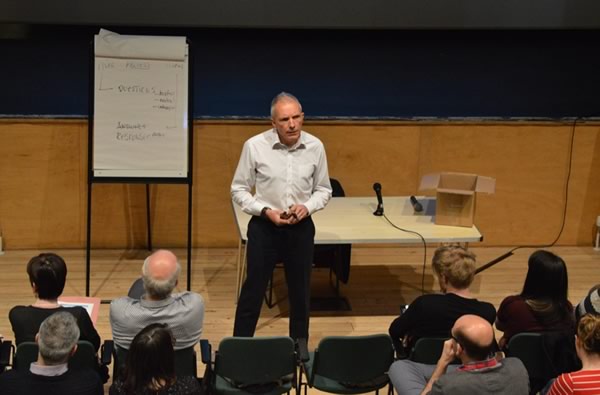
Organisations have an obligation to plan for emergencies and civil contingencies and to warn and inform their clients, staff and public. This workshop is designed to give participants the practical skills required to cope with inquiries that are often emotionally charged and come in high volumes. It's aimed at anyone who has to handle telephone calls during emergencies - typically staff or volunteers who don't necessarily have much experience of dealing with calls from the public, the media or partner organisations as part of their normal day job.
CONTENT
Given that different organisations have very different needs when it comes to emergency call handling and crisis communication, we tend to offer this course only on an in-house basis where the exact content can be tailored to specific organisational needs. That said it is likely to cover some or all of the following points:
Approach to an Emergency or Crisis
A short discussion on the role of communications in an emergency or crisis from the general theory to the specific role you are expected to play in a real life situation. Participants are split into groups to examine a recent disaster from a number of different perspectives including the public and the organisation. Each group then presents its findings. By the end of this session participants should be able to appreciate: -
- The importance of reacting quickly
- The consequences of saying too much or too little
- The value of a corporate face when dealing with callers.
Emergency Call Handling
An emergency has been declared and you have been drafted in to the organisation's communications team as a telephone media handler. You have only very limited information when a journalist calls and bombards you with a barrage of questions. Everyone has the opportunity to handle a call, which is recorded for playback later. A chance to make and then listen to your call, together with other participants and to analyse your performance with appraisal from the workshop leader and your colleagues. By the end of this session you should:
- Recognise that knowledge is power
- Be able to deliver a clear and concise message from the available facts
- Know what to say when you don't have the answer to a question
- Know what to say when you do have the answer but can't give it.
Emergency Call Handling With Real Time Updates
Building on the skills acquired during the earlier session, you are given a more complex emergency to handle with frequent real time updates utilising our socialmediatestbed.com training tool. Again your calls will be recorded for subsequent analysis. By the end of this session and the subsequent feedback you should:
- Be able to keep pace with a rapidly changing situation
- Know how to hold the line
- Recognise the potential for scoring "own goals?
- Demonstrate the value of setting ground rules and understanding the aims of both the authority and the media
Dealing With The Media
A led discussion on journalists and journalism and the varying demands placed on you by different sections of the media whether the calls are from local or national newspapers or from radio and television. By the end of this session you should:
- Recognise the dirty tricks journalists may use
- Understand the risks of tacitly agreeing with journalistic contentions
- Appreciate that different journalists are after different things
Being an Effective Messenger
Don't shoot me I'm only the messenger! Holding the line in the face of difficult and often hostile questioning can be a stressful experience. This brief session, which ends the day, aims to show you how to stay calm and confident under pressure.
FEEDBACK
To find out what other people think about this and other workshops click here to read their comments.
FACILITATOR
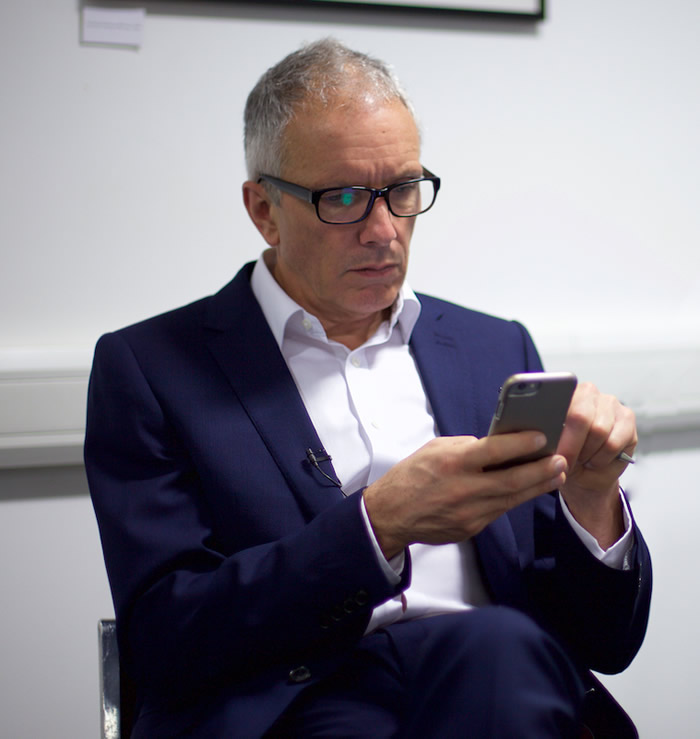
Richard Uridge has seen several large scale emergencies both as a journalist and broadcaster (Rwandan genocide, the break of of the former Yugoslavia, the Selby rail crash) and as a trainer. He's helped NHS Trusts and the Health Protection Agency prepare for pandemics, the Environment Agency plan for flooding and local authorities deal with everything from bad weather to terrorism. He's currently helping a nuclear power generator with its statutory emergency exercises and has worked with the Vienna-based International Atomic Energy Agency. Read his thoughts on BP's mishandling of the Gulf of Mexico oil spill here.
YOU MAY ALSO BE INTERESTED IN


"An excellent training session, very well run and very engaging. I would go as far as to say probably the best training session I have ever been on."
Free stuff
Pricelist
Special offers
ACM Training blog


© ACM Training